


Proactive IT Monitoring for South Florida Businesses
Proactive IT Monitoring for South Florida Businesses
How Businesses in South Florida Prevent Downtime Before It Starts
What Is Proactive IT Monitoring?
Proactive IT monitoring is the continuous tracking of systems, networks, and devices to detect and resolve issues before they cause downtime or disruption.
In 2026, proactive IT monitoring is no longer optional for businesses in South Florida. It is a core part of maintaining operations, security, and performance.
The Problem Most Business Owners Do Not See Coming
It does not start with a crash.
It starts small.
A system running slightly slower than usual
A backup that takes longer than expected
A login attempt that looks unfamiliar
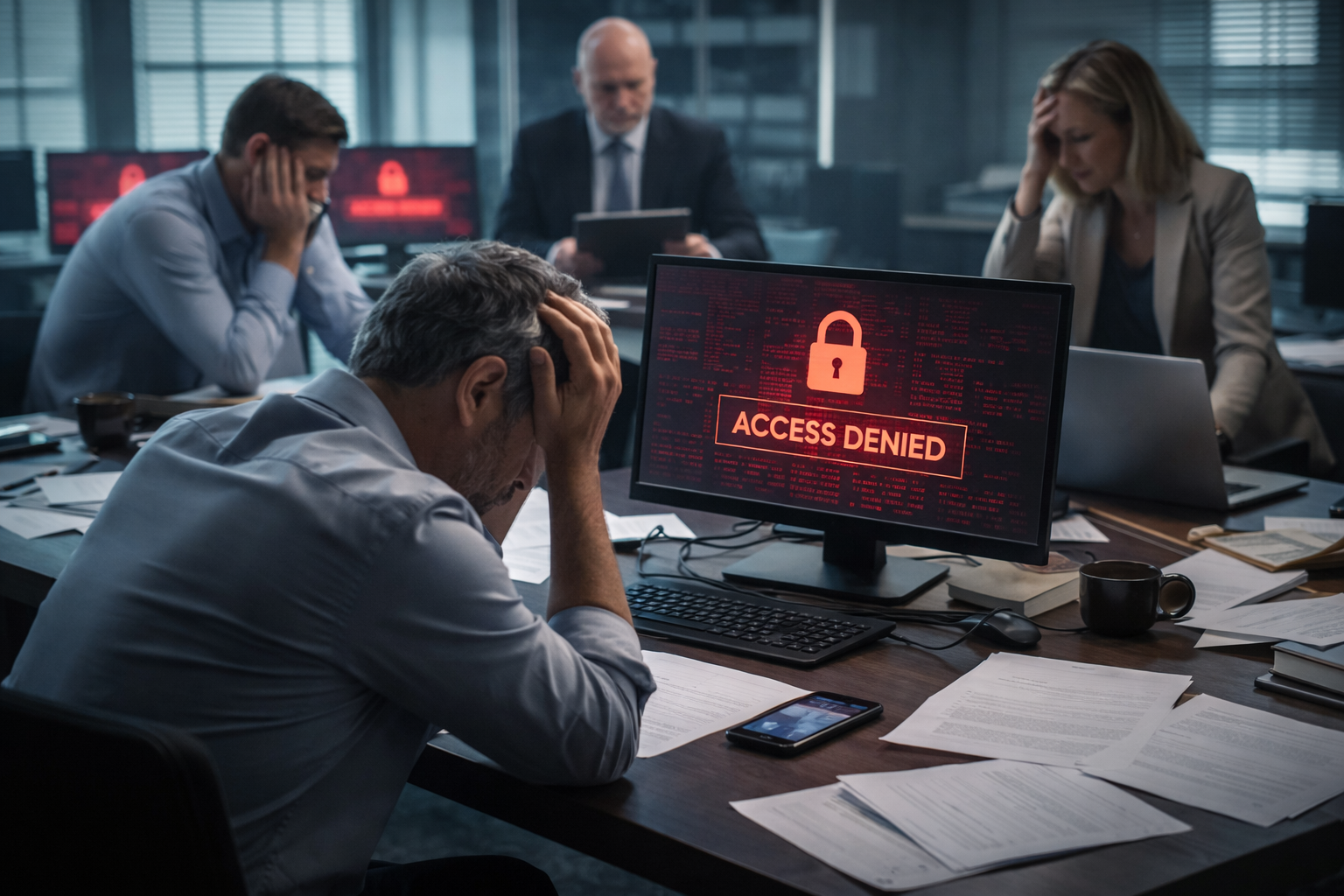
Then one morning, your team walks in and everything stops.
No access. No data. No operations.
At that point, the damage is already done.
IBM’s Cost of a Data Breach Report puts the global average cost of a breach at over $4.4 million.
For businesses in South Florida, even a short disruption can mean lost revenue, missed deadlines, and damaged client trust.
Quick Reality Check
If any of this sounds familiar, your business may already be exposed:
Systems randomly slowing down
Backups you have not tested recently
Employees mentioning recurring issues
You are not completely sure what is being monitored
Most businesses do not realize there is a problem until it becomes one.
What Proactive IT Monitoring Actually Means
Proactive IT monitoring means your systems are continuously observed and analyzed before issues impact your business.
If you are currently relying on reactive support, it may be time to evaluate a more structured approach like managed IT services.
Instead of reacting, your systems are:
Continuously tracked
Analyzed for unusual behavior
Flagged before failure happens
That is what proactive IT monitoring does for your business.

Predictive Maintenance Takes It One Step Further
Proactive monitoring identifies when something is wrong.
Predictive maintenance identifies when something is likely to go wrong.
IBM highlights that predictive maintenance helps reduce unplanned downtime, with industry research showing measurable reductions in downtime and improvements in operational efficiency.
This allows you to:
Replace hardware before failure
Fix backup issues early
Stop threats before they escalate
Business Continuity in South Florida
Businesses in South Florida face unique risk factors:
Power fluctuations
Heat and humidity impacting hardware
Storm-related disruptions
Remote work during weather events
Businesses across South Florida are shifting toward proactive IT strategies as downtime becomes more costly and less predictable.
The U.S. Small Business Administration outlines the importance of emergency preparedness and continuity planning for businesses operating in risk-prone environments.
Proactive IT is not just about performance. It is about continuity.
Security Risks Are Growing
Verizon’s Data Breach Investigations Report shows that credential abuse remains one of the most common initial attack vectors, and the human element continues to play a major role in breaches.
Monitoring helps detect:
Suspicious logins
Unusual activity
Vulnerabilities before exploitation
If you are evaluating your current protection, explore cybersecurity services.
Security and Compliance Considerations
For regulated industries like healthcare and legal, monitoring is not optional.
Guidance from the U.S. Department of Health & Human Services on cloud computing and HIPAA compliance emphasizes secure environments, access control, and vendor accountability, including the need for proper agreements with service providers.
Cybersecurity frameworks from the National Institute of Standards and Technology’s Cybersecurity Framework reinforce continuous monitoring as a core component of risk management.

What This Looks Like Day to Day
With proactive IT:
Systems stay stable
Employees work without interruptions
Problems are resolved before they are noticed
You are not constantly dealing with IT issues
A Scenario We See Often
We recently spoke with a South Florida business that believed everything was running fine.
Within minutes of reviewing their systems, multiple hidden risks were identified that could have caused downtime.
Nothing had broken yet.
But it was going to.
Common Challenges Without Proactive IT
Businesses operating reactively often experience:
Hidden system failures
Backup issues discovered too late
Increasing downtime over time
Higher emergency IT costs
Security gaps that go unnoticed
The Uptime Institute shows that major outages frequently result in significant financial impact, with many incidents exceeding six-figure losses.
Cost Considerations for Businesses
Many businesses assume proactive IT is more expensive.
In reality, it often reduces costs by:
Preventing emergency repairs
Reducing downtime losses
Extending hardware lifespan
Eliminating inefficiencies
For businesses modernizing infrastructure cloud services can further improve performance and reliability.
Why Most IT Providers Fall Short
Many providers still operate on a break-fix model.
They respond after problems occur.
True proactive IT requires:
Continuous monitoring
Real-time response
Data-driven insights
Business-focused strategy
The Business Impact
Proactive IT supports:
Revenue protection
Operational stability
Client trust
Long-term growth
You can explore more insights in our IT insights and resources.
Know Where You Stand Before Something Breaks

Schedule your Free Cyber Risk Analysis and get clear visibility into your IT risks
Final Thought
The businesses that operate the smoothest are not reacting.
They are preventing.
And in South Florida, that difference is everything.

schedule an appointment today
Featured Posts
Proactive IT Monitoring for South Florida Businesses
Proactive IT Monitoring for South Florida Businesses
How Businesses in South Florida Prevent Downtime Before It Starts
What Is Proactive IT Monitoring?
Proactive IT monitoring is the continuous tracking of systems, networks, and devices to detect and resolve issues before they cause downtime or disruption.
In 2026, proactive IT monitoring is no longer optional for businesses in South Florida. It is a core part of maintaining operations, security, and performance.
The Problem Most Business Owners Do Not See Coming
It does not start with a crash.
It starts small.
A system running slightly slower than usual
A backup that takes longer than expected
A login attempt that looks unfamiliar
Then one morning, your team walks in and everything stops.
No access. No data. No operations.
At that point, the damage is already done.
IBM’s Cost of a Data Breach Report puts the global average cost of a breach at over $4.4 million.
For businesses in South Florida, even a short disruption can mean lost revenue, missed deadlines, and damaged client trust.
Quick Reality Check
If any of this sounds familiar, your business may already be exposed:
Systems randomly slowing down
Backups you have not tested recently
Employees mentioning recurring issues
You are not completely sure what is being monitored
Most businesses do not realize there is a problem until it becomes one.
What Proactive IT Monitoring Actually Means
Proactive IT monitoring means your systems are continuously observed and analyzed before issues impact your business.
If you are currently relying on reactive support, it may be time to evaluate a more structured approach like managed IT services.
Instead of reacting, your systems are:
Continuously tracked
Analyzed for unusual behavior
Flagged before failure happens
That is what proactive IT monitoring does for your business.
Predictive Maintenance Takes It One Step Further
Proactive monitoring identifies when something is wrong.
Predictive maintenance identifies when something is likely to go wrong.
IBM highlights that predictive maintenance helps reduce unplanned downtime, with industry research showing measurable reductions in downtime and improvements in operational efficiency.
This allows you to:
Replace hardware before failure
Fix backup issues early
Stop threats before they escalate
Business Continuity in South Florida
Businesses in South Florida face unique risk factors:
Power fluctuations
Heat and humidity impacting hardware
Storm-related disruptions
Remote work during weather events
Businesses across South Florida are shifting toward proactive IT strategies as downtime becomes more costly and less predictable.
The U.S. Small Business Administration outlines the importance of emergency preparedness and continuity planning for businesses operating in risk-prone environments.
Proactive IT is not just about performance. It is about continuity.
Security Risks Are Growing
Verizon’s Data Breach Investigations Report shows that credential abuse remains one of the most common initial attack vectors, and the human element continues to play a major role in breaches.
Monitoring helps detect:
Suspicious logins
Unusual activity
Vulnerabilities before exploitation
If you are evaluating your current protection, explore cybersecurity services.
Security and Compliance Considerations
For regulated industries like healthcare and legal, monitoring is not optional.
Guidance from the U.S. Department of Health & Human Services on cloud computing and HIPAA compliance emphasizes secure environments, access control, and vendor accountability, including the need for proper agreements with service providers.
Cybersecurity frameworks from the National Institute of Standards and Technology’s Cybersecurity Framework reinforce continuous monitoring as a core component of risk management.
What This Looks Like Day to Day
With proactive IT:
Systems stay stable
Employees work without interruptions
Problems are resolved before they are noticed
You are not constantly dealing with IT issues
A Scenario We See Often
We recently spoke with a South Florida business that believed everything was running fine.
Within minutes of reviewing their systems, multiple hidden risks were identified that could have caused downtime.
Nothing had broken yet.
But it was going to.
Common Challenges Without Proactive IT
Businesses operating reactively often experience:
Hidden system failures
Backup issues discovered too late
Increasing downtime over time
Higher emergency IT costs
Security gaps that go unnoticed
The Uptime Institute shows that major outages frequently result in significant financial impact, with many incidents exceeding six-figure losses.
Cost Considerations for Businesses
Many businesses assume proactive IT is more expensive.
In reality, it often reduces costs by:
Preventing emergency repairs
Reducing downtime losses
Extending hardware lifespan
Eliminating inefficiencies
For businesses modernizing infrastructure cloud services can further improve performance and reliability.
Why Most IT Providers Fall Short
Many providers still operate on a break-fix model.
They respond after problems occur.
True proactive IT requires:
Continuous monitoring
Real-time response
Data-driven insights
Business-focused strategy
The Business Impact
Proactive IT supports:
Revenue protection
Operational stability
Client trust
Long-term growth
You can explore more insights in our IT insights and resources.
Know Where You Stand Before Something Breaks
Schedule your Free Cyber Risk Analysis and get clear visibility into your IT risks
Final Thought
The businesses that operate the smoothest are not reacting.
They are preventing.
And in South Florida, that difference is everything.

430 NW Lake Whitney Place,
Port St Lucie, FL 34986
1601 Belvedere Rd E-300,
West Palm Beach, FL 33406
© Copyright 2026 Cloud Choice Technologies. All Rights Reserved. Built with MSP Sites. | Privacy Policy | Areas We Serve